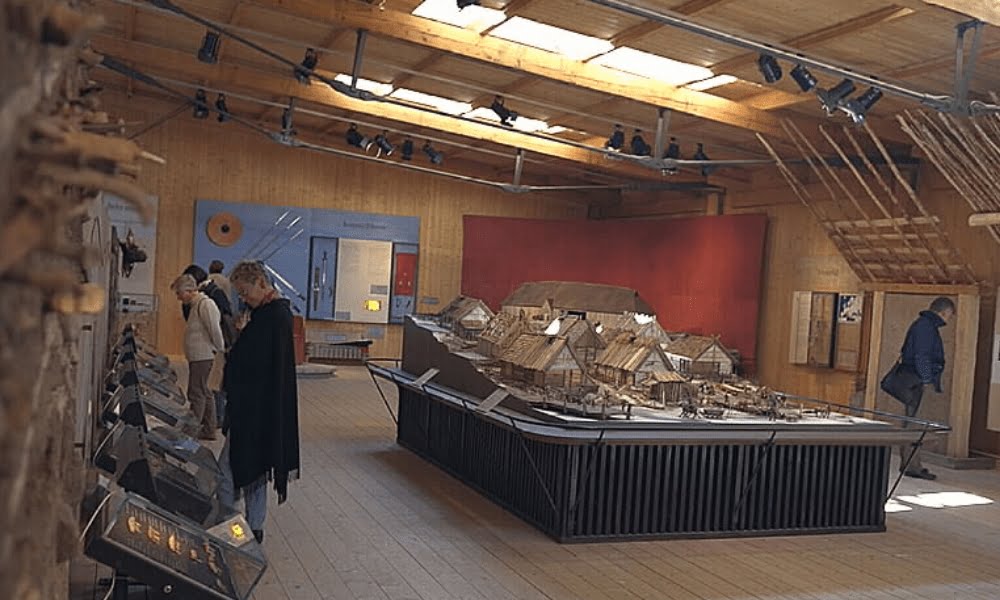
Birka Museum
The museum houses artifacts recovered from excavations, providing context for the daily life and trade networks of the settlement.
View the detailed model of the Viking town for scale.

Birka sits on Björkö island in Lake Mälaren, 30 kilometers west of central Stockholm. The UNESCO-listed archaeological site preserves Scandinavia's oldest Viking town—a trading hub that thrived from 750 to 975 CE. This guide covers logistics, museum hours, and practical steps for planning your island visit.
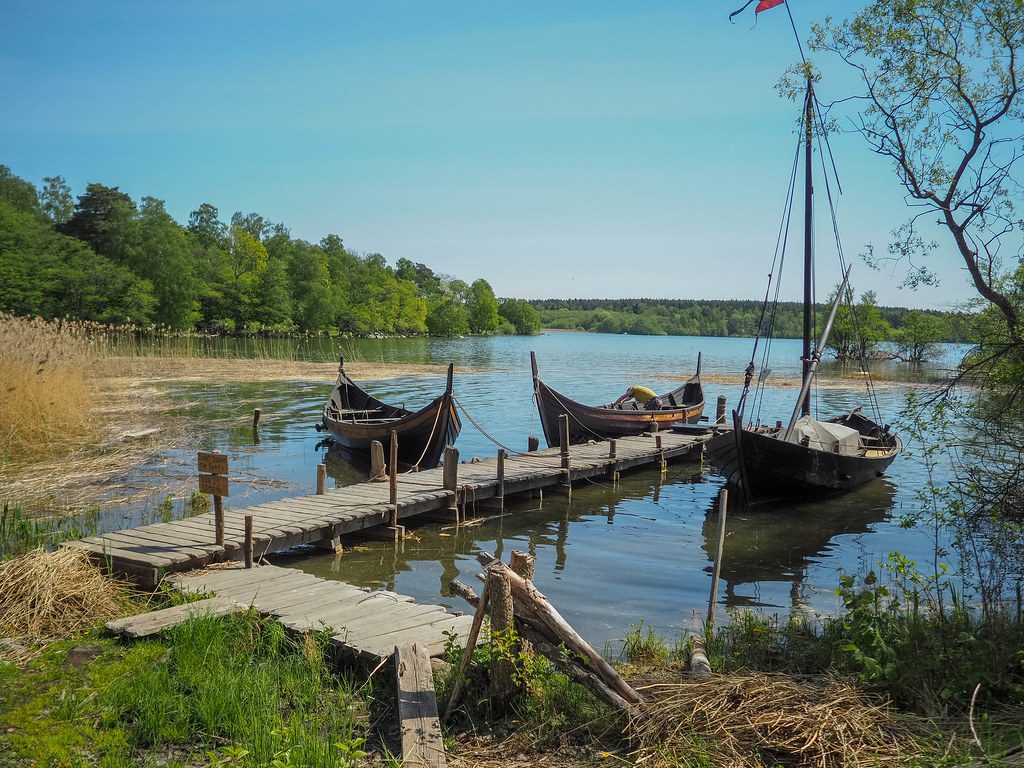
Quick answer
To visit Birka Stockholm, take the seasonal ferry from Stockholm's City Hall pier (Stadshuskaj 7) departing at 10:00, arriving at Birka around 12:00. The museum opens daily 11:00–16:00 from late April through September. Entrance to the site costs 130 SEK; the ferry ticket (around 395 SEK round-trip for adults) includes a guided island walk. Plan to arrive between 11:00–14:00 to allow three to four hours before the afternoon return departure.
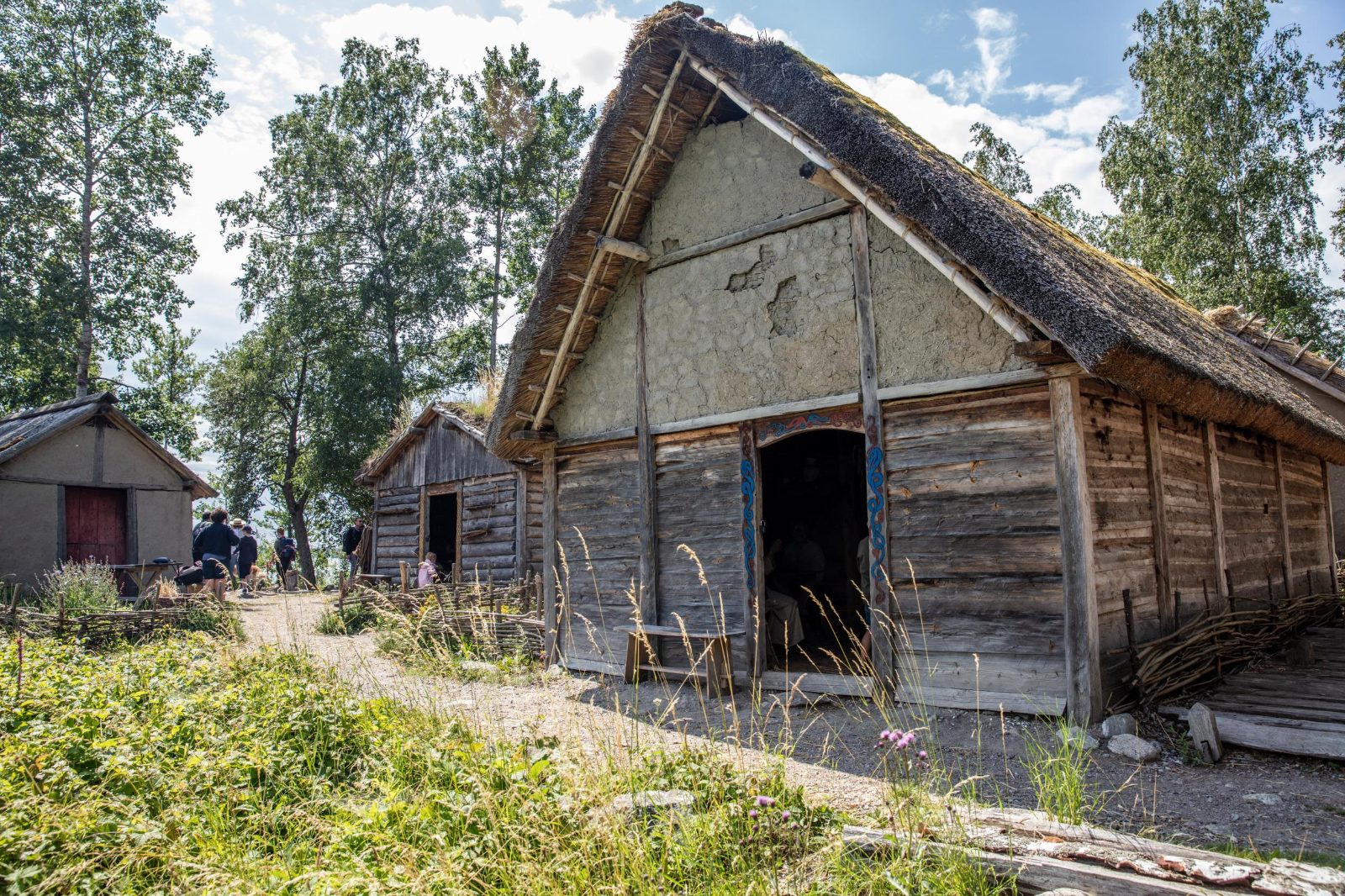
More than 3,000 burial mounds dot the pine forest and meadows of Björkö, marking the graves of merchants, craftspeople, and warriors who made Birka the Baltic's wealthiest trading station during the eighth and ninth centuries. The settlement vanished after 975 CE—likely abandoned when trade routes shifted—and the site lay undisturbed until systematic excavations began in the 1870s. Today the archaeological remains and museum occupy a tranquil island that feels far removed from Stockholm, despite being only an hour and a half by boat. The Birka Museum anchors the visitor experience. Its compact galleries display artifacts unearthed from grave fields and settlement layers: silver hoards from Byzantium and the Abbasid Caliphate, amber beads, glass vessels, forged tools, and textile fragments that evidence long-distance trade networks stretching from the British Isles to the Caspian Sea. Outside, the reconstructed Viking Age harbor and timber-framed dwellings offer tangible scale. Archaeologists estimate that 700 to 1,000 people lived here at the town's zenith, their houses clustered along the waterfront terrace below the protective hill fort known as the Borg. Most visitors arrive by scheduled ferry service operated by Strömma, which runs late April through mid-September. The ferry fare includes a guided walk led by costumed interpreters; independent exploration of the island is also permitted. The museum grounds are accessible year-round, but facilities and refreshments operate only during the ferry season. In high summer—particularly July—advance booking is prudent, as boat capacity is limited and weekend departures fill early. The island landscape itself holds as much historical weight as the curated displays. Walking the black earth rampart that once defended the settlement, or tracing the stone-lined streets revealed by excavation, provides a sense of the town's layout and strategic position. Sweden granted the Birka archaeological complex and Hovgården—a related site on the neighboring island—joint UNESCO World Heritage status in 1993, recognizing their combined testimony to the Viking Age's economic and political systems. When you visit Birka Stockholm, you step onto ground that remains one of northern Europe's most complete records of early medieval urbanism.
“More than 3,000 burial mounds dot the pine forest and meadows of Björkö, marking the graves of merchants, craftspeople, and warriors who made Birka the Baltic's wealthiest trading station.”
The best time to experience Birka is by planning your visit between 11:00 and 14:00 to ensure sufficient time for island exploration. Arriving during this mid-morning window allows you to fully utilize the site before the final afternoon ferry departures.
Mild, 12°C to 18°C; ideal for walking.
Early season offers long daylight hours and blooming landscapes across the island.
Warm, 15°C to 22°C; potential for rain.
This period hosts the most frequent ferry departures and full site operations.
Cool, 10°C to 15°C; crisp autumn air.
Visiting in September provides a quieter atmosphere as the seasonal ferry schedule begins to wind down.
Verdict: For the most balanced experience, aim for a weekday arrival between 11:00 and 14:00 during the months of May or September.
The Birka Viking City is open to visitors daily throughout the week. Please refer to the schedule below for the standard operating hours when planning your visit.
The entrance fee for Birka covers access to the museum facilities. Please note that visitors arriving independently are required to pay an additional fee for guided tours.
Verdict: A typical adult pays 130 SEK for museum admission, though independent travelers will incur an additional cost for guided tour participation.
Birka is located on the island of Björkö in Lake Mälaren, accessible primarily by passenger ferry from Stockholm. The official address for navigation is Björkö, 17893 Ekerö, Sweden.
Strömma ferry from Stadshuskajen, Stockholm
Route 261 towards Ekerö, followed by local ferry connections
From the Björkö pier to the museum area
Visitors should plan their transit to align with the scheduled ferry arrivals from Stockholm, as independent boat transport may be limited. Once on the island, the museum and archaeological site are accessible on foot from the primary jetty.
Birka, located on the island of Björkö, offers a glimpse into Viking Age society through its extensive archaeological remains and dedicated museum. Visitors can explore the remnants of this historic trading center and its surrounding burial fields.
The museum houses artifacts recovered from excavations, providing context for the daily life and trade networks of the settlement.
View the detailed model of the Viking town for scale.
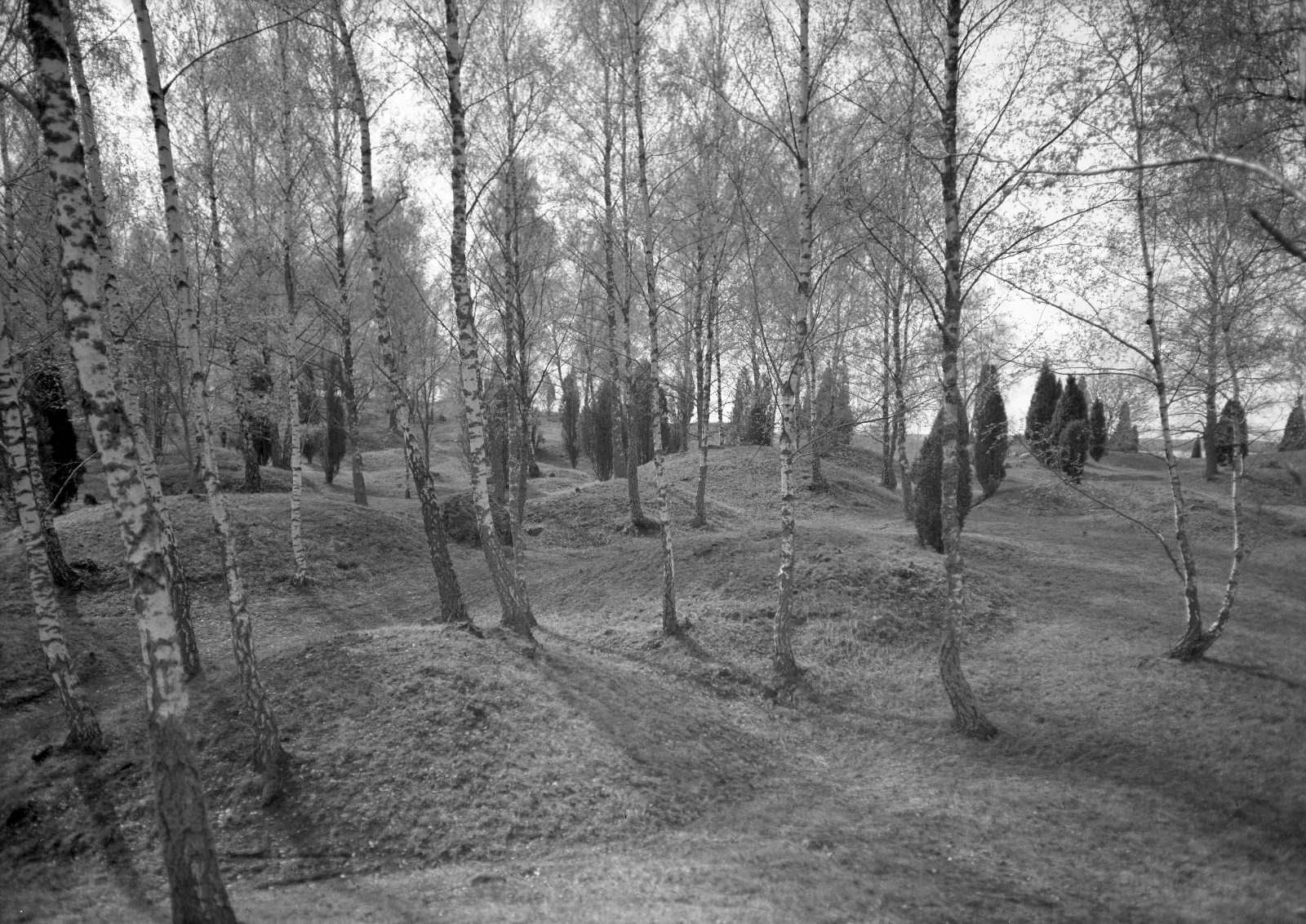
Spread across the landscape are thousands of burial mounds from the Viking Age, including the notable Hemlanden area.
Walk the marked paths to see mounds in the landscape.
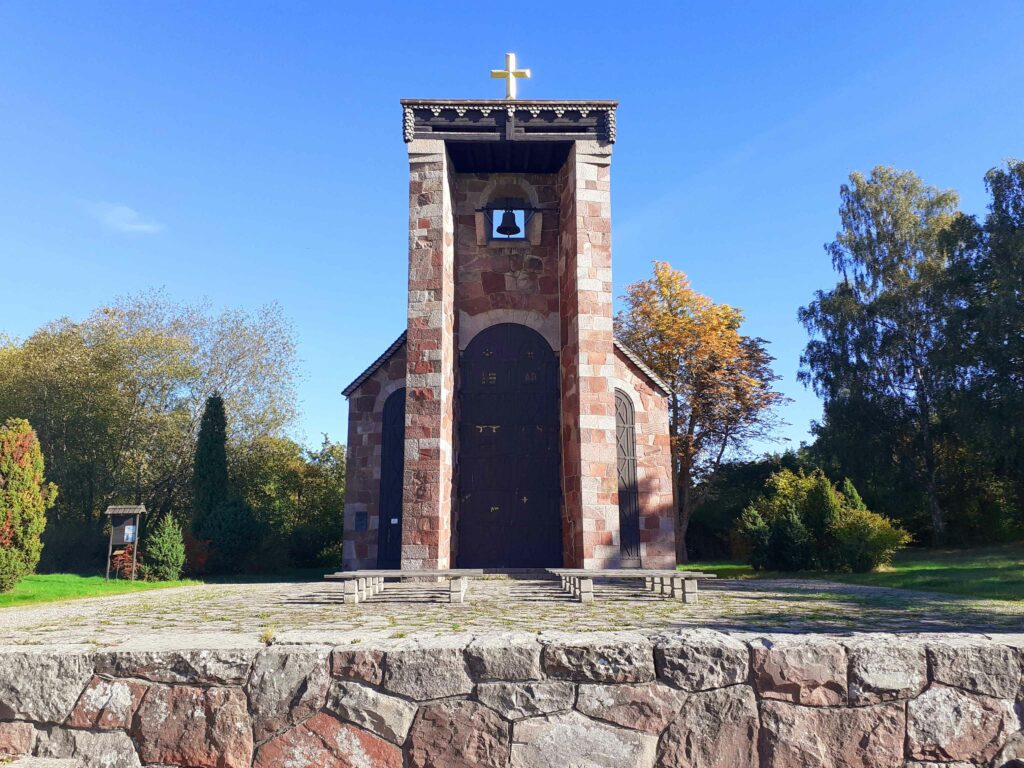
Built in 1930, this small chapel commemorates the missionary Ansgar who arrived in Birka during the 9th century.
Walk to the chapel site for views over Lake Mälaren.
These earthwork fortifications once protected the settlement and defined its boundaries during its period of peak activity.
Look for the distinct grass-covered elevation of the fortifications.
Maximize your time on Björkö by preparing for the island's unique archaeological landscape and coastal environment.
Wear sturdy, flat-soled walking shoes as the paths across the archaeological site are unpaved, uneven, and often grassy. Avoid sandals or heels to ensure comfort while navigating the terrain between grave fields and the harbor.
Bring water and weather-appropriate layers, as shade is limited across the open historical site and coastal breezes can be cool. There is no store on the island, so carry any snacks or personal items you require for the duration of your stay.
The island contains sensitive, protected archaeological remains that are easily damaged by foot traffic. Follow the designated wooden paths and signs to preserve the cultural heritage while exploring the grave fields.
Because the majority of the site is exposed and lacks canopy cover, apply high-SPF sunscreen and wear a hat during your visit. Even on overcast days, the reflection from Lake Mälaren increases UV exposure.
Cellular service can be inconsistent near the burial mounds and in lower-lying areas of the island. Save your digital tickets or maps offline before departure to ensure you have access to them upon arrival.
Everything you need to know about visit birka stockholm
To maximize your time on the island, the best arrival window is 11:00–14:00. Arriving mid-morning allows you to explore the archaeological site thoroughly before the afternoon boat returns to the mainland.
The museum entrance fee is 130 SEK. Please note that a guided tour is an extra cost if you are not arriving by ferry as part of a package.
The site is located at Björkö, 17893 Ekerö, Sweden. Visitors typically arrive by boat from Stockholm to reach this island destination.
Yes, the site is open daily from Monday through Sunday. You can plan your visit birka stockholm trip any day of the week between 11:00 and 16:00.
When you visit birka stockholm, you can explore the museum, the archaeological fields, and the historic landscape. These areas offer insight into the legacy of the Viking Age and the UNESCO World Heritage status of the island.
While the museum entrance can be paid upon arrival, checking the official site at https://www.birkavikingastaden.se/en for transport schedules and tour availability is recommended. This helps ensure your logistics are set for a smooth journey to this historic Stockholm landmark.